
Precious metals are apparently waking up. And here is where you can find the best deals.


Site:
Precious metals news

And yet the possibility of another global slowdown – if not an outright stall – cannot be ruled out.

The Bank of Japan's assets apparently exceeded 500 trillion yen ($4.49 trillion) as of the end of May, growing to rival the country's economy


McAlvany Financial Explains Why You Can't Afford to Be LATE Acquiring Physical Gold & Silver Ahead of the Next Financial Crisis...
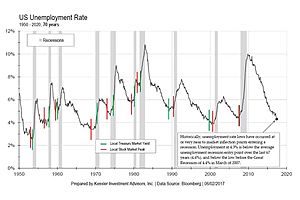
We have begun to see the 'event-horizon' (Lance Roberts) of an economic slowdown in several indicators. Adding to that, and counter-intuitively perhaps, an unemployment rate this low (4.29%) is a signal to run-away from Stocks and run-to Treasuries.

The sexiness of Bitcoin, Tesla, Netflix, and hundreds of other techie things will become FAR less sexy in a good old fashion economic crash...

Note that from this it follows that deflation sets in motion a spiraling decline in economic activity.

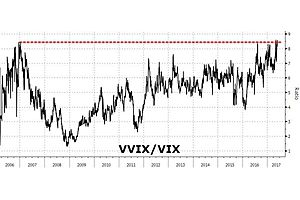
VIX closed at its lowest level since 1993 on Friday, completed a fourth week of gains in five, reaching a record high relative to the measure of equity turbulence.
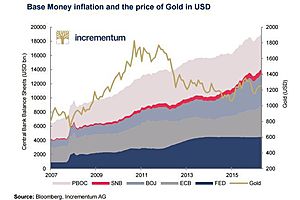
The central banks of China, Europe and Japan are inflating more aggressively than the Fed.
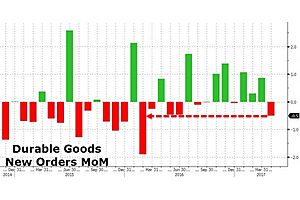
the 'hard' data hopers, the final print for April's Durable Goods New Orders tumbled 0.5% MoM - the biggest drop since Feb 2016 (amid global recession fears)...
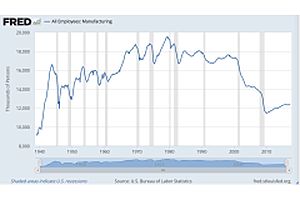
Manufacturing Employment At 1946 Levels

The mounting debt problem that China faces continues to rise. Jim Rickards explores why the One Belt, One Road initiative could be the end...


New listings soar as sales plunge. Prices drop 6% in just one month.

The middle-class may be the foundation upon which the U.S. was built, but it's nonetheless slowly disappearing.

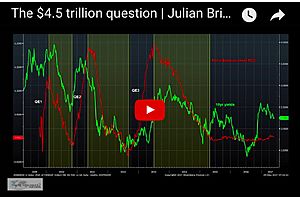
Can the Federal Reserve successfully reduce its balance sheet?

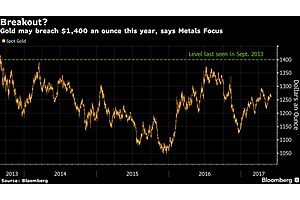
We’re fairly confident that gold should do well.”

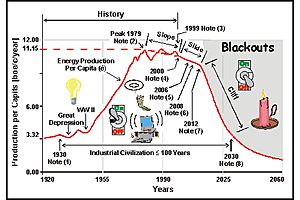
Sliding Towards a Post-Industrial Stone Age, Richard Duncan mapped out the trajectory of where we would be as the years passed
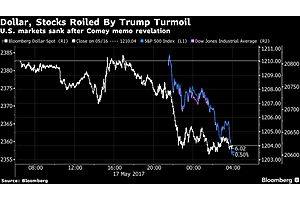
Investors hoping for the return of market volatility should be careful what they wish for this week, with geopolitical risks looming.
What are the central banks most likely to do next, and what will the repercussions be?
As the global economy continues to shake, Chinese debt will impact the economy. Here's Jim Rickards' latest analysis on what it all means...

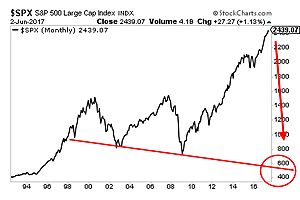
Since 2008 the financial media has been proclaiming that the US was in a “recovery.” This argument was used to justify the insane monetary policy of the Federal Reserve, which maintained ZIRP for seven years and spent over $3 trillion in QE. Well, it turns out there was no recovery to speak of when it