
Precious metals are apparently waking up. And here is where you can find the best deals.


Site:
Precious metals news


The metals are really starting to heat up...

Metals getting hit hard in the afternoon session...

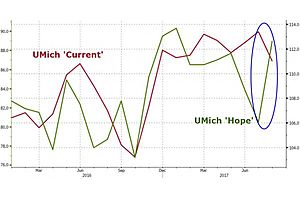
driven by a massive spike in 'hope' as currenct conditions slump to their weakest since Nov 2016.
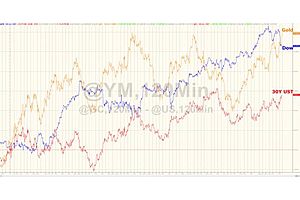
For the first time since early June, Gold has just broken back above $1300, Is 3rd time the charm?

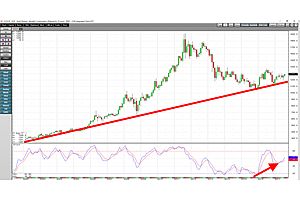
Is Gold heading to levels above $2000 per ounce?

Here's some of the drivers in the markets today, which might just turn into a fireworks display, and we still haven't rung the opening bell...

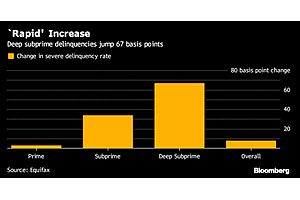
(As Auto Dealer Offers Bad FICO Rebate!) Amid all the reflection on the 10-year anniversary of the start of the subprime loan crisis, here’s a throwback that investors could probably do without.

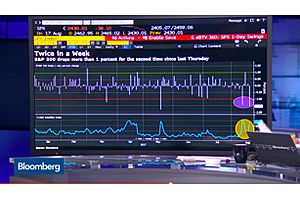
Markets are balanced on a knife edge as the U.S. opening looms after the S&P 500’s second-biggest selloff this year.

Morgan Stanly: Gold has a millennia of history as a great hedge against inflation. Gold shoots to the moon after $1,300 - $1,310
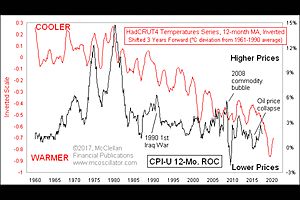
The Fed is not really in control of inflation rates, & thus of interest rates. But when you consider that the Fed has more than 1,000 PhD economists on staff...
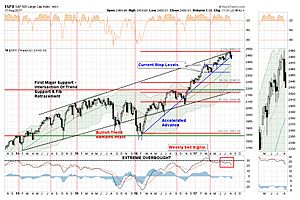
Over the last couple of months, the markets have remained on a weekly “sell signal,” at a very high level, even as stock prices continued to struggle higher amid eroding internal measures.


All eyes on North Korea as US-South Korea war games set to begin
Investors fled into bonds & bought gold for the third day in a row, as the appeal of such top-notch assets grew

Gold is still partying after an all-nighter. At 3:00 a.m. the party really got started...

The overnight session might just get a little funky...

At first glance, these three signals look like, well, three signals, though seeing that they are coming from the algorithmic genius turned SEC whistle-blower second to none, we may be […]

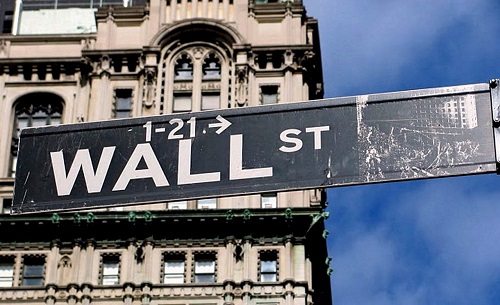
The following article by Louis Rouanet was originally published at the Mises Institute FedWatch. Although today high levels of inequality in the United States remain a pressing concern for a large swath of the population, monetary policy and credit expansion are rarely mentioned as a likely source of rising wealth and income inequality. Focusing almost exclusively on consumer price inflation, many economists have overlooked the redistributive effects of money creation through other channels. One of these channels is asset price inflation and the growth of the financial sector.The rise in income inequality over the past 30 years has to a significant extent been the product of monetary policies fueling a series of asset price bubbles. Whenever the market booms, the share of income going to those at the very top increases. When the boom goes bust, that share drops somewhat, but then it comes roaring back even higher with the next asset bubble.

Imagine the financial chaos that would ensue if there was a widespread, long-term, power grid failure. Business would literally halt.Stop and think for a moment about how dependent the financial system is on computers. Banking, stock and bond trading, and the vast majority of our day-to-day transactions, rely on computer networks. Many people don't even use cash anymore. Everything is digital. We even have wholly digital currencies like Bitcoin.We take these computer systems for granted. In reality, they put us at considerable financial risk. This vulnerability is another reason you should buy gold.
Don't you think the question has been answered?

Is it coincidence that two ranking elites talk of recession at the same time? The resurrection of negative interest rates...